
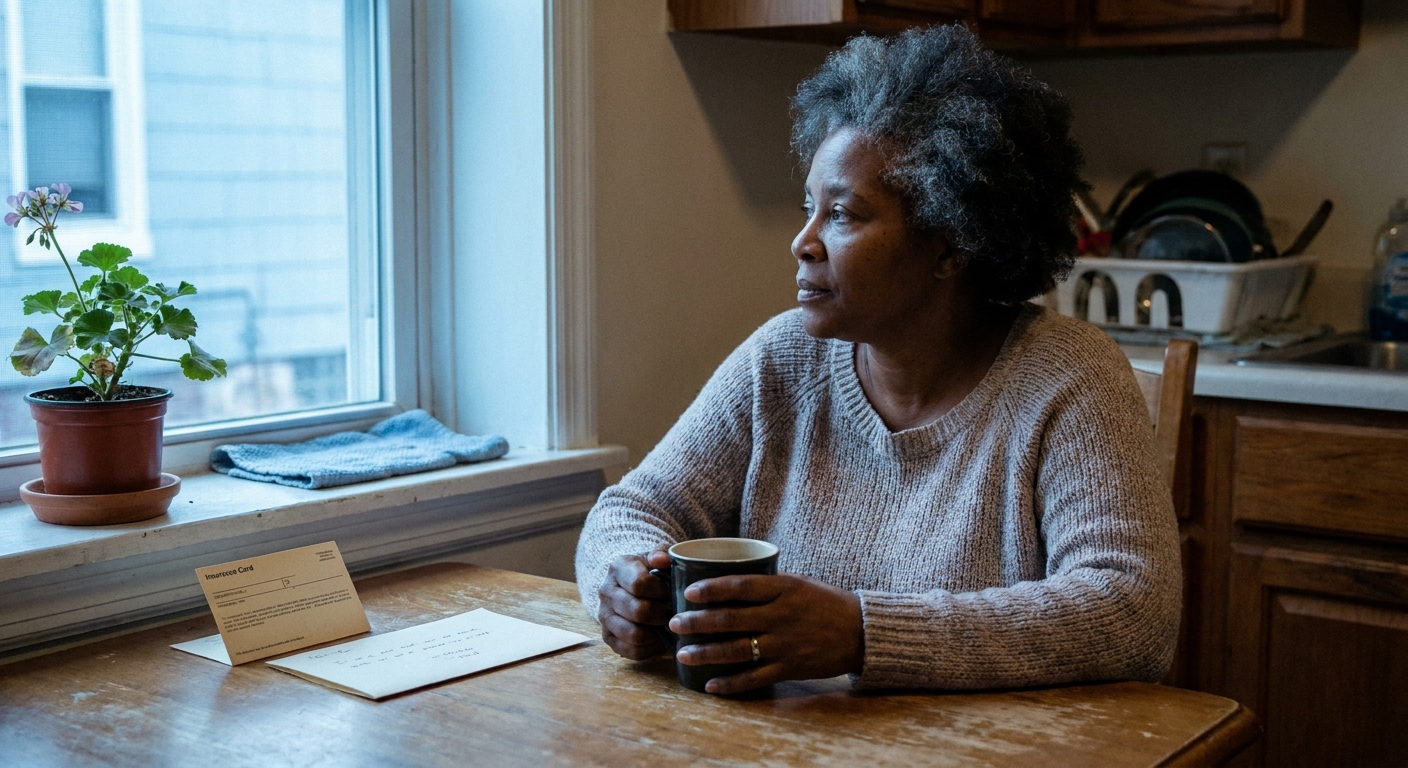
Many families end up asking the same thing: did the drinking start the sadness, or did the sadness start the drinking? If you have asked that about your own life or about someone you love, you are asking a reasonable question. The steps below describe one way to look for an answer and a plan from a team that treats both problems together. You may also be wondering what is the most common dual diagnosis, and whether what you are seeing at home fits it.
The TruHealing Baltimore intake team answers calls from people in many different situations. The person on the line starts by building rapport and letting the caller know they have been where the caller is. Then they ask what made the person call today. Answers often include withdrawal, feeling suicidal, being homeless, or family issues that have reached a breaking point. Sometimes one honest answer to that one question shows both problems at once, with the substance use and the mental health struggle sitting side by side.
This guide covers what you need before you start, and then it walks through six steps in order. When you finish, you may have:
- A clearer picture of what is going on
- A sense of what your insurance may cover
- A possible path into care that treats both conditions together, from detox through outpatient care, with one provider in the Baltimore area
What Is the Most Common Dual Diagnosis?
The pairing people describe most often is depression or anxiety alongside alcohol or opioid use. The honest answer, though, is a short list rather than one winner, because which pairing comes up most depends on the substance, the group of people being studied, and how each study counts.
A dual diagnosis means a person has a substance use disorder and a mental health condition at the same time. You may also hear these called co-occurring disorders. Many clinicians recommend that one team look at both conditions together, using therapy, medical support during withdrawal, and a plan that follows the person through each level of care instead of addressing one problem and leaving the other for later.
What is the difference between dual diagnosis, comorbidity, and co-occurring disorders?
Dual diagnosis and co-occurring disorders mean the same thing: a substance use disorder and a mental health condition in one person at the same time. Comorbidity is the broader medical word for any two health conditions in one person, so every dual diagnosis is a comorbidity, but not every comorbidity is a dual diagnosis.
For example, a person with diabetes and heart disease has a comorbidity, but not a dual diagnosis. A person with depression and an alcohol use disorder has both a comorbidity and a dual diagnosis. You will see all three terms on websites, insurance forms, and treatment plans, and it helps to know they point to the same need when mental health and substance use are tangled together.
Common examples of co-occurring disorders
Here are the pairings that come up often:
- Depression with alcohol use. Drinking can feel like relief at first, and then it may make low mood heavier the next day.
- Anxiety with alcohol or benzodiazepine use. A person may use to quiet worry or panic, and the worry can return stronger as the substance wears off.
- Trauma or PTSD with opioid or heroin use. Painful memories may feel easier to carry while using, so the use can keep the trauma from being treated.
- Depression with opioid use. Each one can deepen the other, and withdrawal can bring on very dark moods.
- Low mood or anxiety with methamphetamine or cocaine use. The crash after stimulant use can bring exhaustion, hopelessness, and fear.
TruHealing Baltimore plans care for the pairings on that list. The conditions its team treats include depression, trauma and PTSD, and addiction to alcohol, opioids, heroin, benzodiazepines, methamphetamine, and cocaine, and dual diagnosis is one of its named specialties. For many families, a question that matters more than any ranking of what is “most common” is whether both halves of the problem get looked at together.
What Do You Need Before You Start? (Prerequisites)
Once you have a sense of what a dual diagnosis is, it helps to get a few things ready before you reach out. You need three things:
- A rough idea of your insurance coverage
- A sense of which TruHealing Baltimore location fits that coverage
- A willingness to say out loud what is really going on
None of these has to be perfect, and having them ready may make the first call shorter and less stressful.
You are probably wondering what this will cost, and that fear stops a lot of people before they ever pick up the phone. TruHealing Baltimore has two locations, with its main location in Woodlawn and a second location in Windsor Mill, and each one works with insurance a little differently.
- In-network with Aetna, Blue Cross Blue Shield (CareFirst), Cigna, TRICARE, UnitedHealthcare, Curative Health, Medical Cost Containment (MCCP), and Maryland Medicaid
- Accepts some other plans out-of-network, such as GEHA
- Does not accept Medicare
- In-network with Maryland Medicaid only
- Can accept commercial PPO plans out-of-network
Private pay is available at both. For a closer look at how coverage works for this kind of care, read this guide to co-occurring treatment that accepts insurance in Baltimore.
The third item is the hardest. Many people worry they will be judged for what they have been through, or that someone they love will be handled like a case number. TruHealing Baltimore’s intake team starts every call by letting the caller know they have been where the caller is. You do not need the right words or medical terms. You only need to be honest about what has been happening, because that honesty helps the team build a personalized treatment plan.
Step 1: How Do You Notice the Pattern Between Substance Use and Mental Health?
You can notice the pattern by watching what happens before, during, and after the drinking or drug use. When mood and use rise and fall together, the two may be feeding each other.
How do you know if you need dual diagnosis treatment?
These signs do not prove anything on their own, but they are reasons to consider asking for help:
- Drinking or using to calm worry, quiet panic, or fall asleep
- Mood dropping hard as the substance wears off, and then using again to lift it
- Drinking or using more after reminders of a painful past event
- Low mood, hopelessness, or anxiety that hangs on even during stretches without using
- Pulling away from family, work, or friends, with both the using and the sadness getting worse
- Past treatment that focused on only one problem while the other kept pulling things back
If you are the person struggling, you may recognize yourself in two or three of those lines and feel a mix of relief and fear. If you are a parent, partner, or adult child, you may have watched the pattern for months without knowing what to call it. Both are common places to start. Seeing the pattern is not the same as diagnosing it, and only a qualified clinician can diagnose a mental health condition or a substance use disorder. Your job at this step is simply to notice and to write down what you have seen.
One sign needs action today instead of a list. If someone talks about wanting to die, or about not wanting to be here, treat it as an emergency and call 911 or the 988 Suicide and Crisis Lifeline right away. Feeling suicidal is one of the reasons people call TruHealing Baltimore, and it should never be held until a better moment.
Step 2: How Do You Check Your Coverage and Pick a Location?
After you have noticed the pattern, the next worry for most families is money. You can check coverage by having the insurance card in hand and asking two questions: is the plan in-network or out-of-network, and which levels of care does it cover? Then you match that answer to the Woodlawn or Windsor Mill location.
Follow this order:
- Find the card and look at both sides. Note the member ID, the plan name, and whether the coverage comes through a job, Maryland Medicaid, TRICARE, or a plan you bought yourself.
- Ask whether TruHealing Baltimore is in-network or out-of-network for that plan. In-network usually means lower out-of-pocket costs, and out-of-network can still be an option, though costs are often higher.
- Ask about each level of care: detox, residential, partial hospitalization (PHP), intensive outpatient (IOP), and outpatient. A plan may treat each one differently.
It also helps to know your rights. Under the federal Mental Health Parity and Addiction Equity Act, most health plans that cover mental health and substance use care cannot put stricter limits on that care than they put on medical and surgical care. If your coverage comes through a job, the U.S. Department of Labor explains how these parity rules apply to employer plans. Parity does not mean every service is covered, but it does mean you are allowed to ask hard questions and expect fair answers.
Next, pick the location:
- Commercial plans: Woodlawn holds the in-network contracts with the major commercial payers listed above. Windsor Mill can accept commercial PPO plans out-of-network.
- Maryland Medicaid: Both sites are in-network, and the TruHealing Baltimore team routes admissions by payer, so they can tell you which site fits.
- Private pay: Available at both locations.
Location also matters for a quieter reason. Families in Baltimore, Anne Arundel, Howard, and Carroll counties may be able to keep their loved one close to home through every level of care. That can make visits easier, keep family therapy sessions within reach, and mean nobody has to rebuild a support system in a strange city once the main program ends.
Step 3: What Happens When You Call, and What Should You Say?
With your card in hand, you are ready to make the call. When you call TruHealing Baltimore, the first thing that happens is rapport, not paperwork. Then the team gathers basic information and asks what made you call today, so they can better assist.
In the words of the TruHealing Baltimore intake team: “I start to build rapport with them and give them understanding that I have been where they are and that things can and will get better.” After that comes general information: name, phone number, and physical address. Then the team works to understand why the person is calling and what made them call today. Knowing these steps ahead of time may take some of the fear out of dialing.
You may be afraid you will get flustered or want to hang up halfway through. That happens, and the team is ready for it. The intake team describes it this way: “I take a moment to help them remember why they picked up the phone to call at that very minute.” Something told you life had gotten difficult enough to reach out, and the team will gently remind you of that reason.
If you are calling for someone you love, keep it simple:
- Share the basics: their name, how to reach them, and where they live.
- Give the reason you are calling today. Maybe they are in withdrawal, they said something about not wanting to live that scared you, they lost their housing, or the strain at home has hit a breaking point.
That one answer is sometimes where both problems show up together. A person who drinks to sleep and is now talking about hopelessness has described a substance use problem and a mental health problem in one sentence, and the team listens for both from the first minute.
Step 4: What Does Detox and Assessment Look Like?
When withdrawal is part of the picture, detox typically comes first, so the body can get through it with medical support. Planning for both conditions starts right alongside it.
TruHealing Baltimore offers detox services, and its team treats addiction to alcohol, opioids, heroin, benzodiazepines, methamphetamine, and cocaine. Withdrawal looks different with each one:
- Alcohol and benzodiazepines: Withdrawal can be dangerous, and stopping heavy use suddenly without medical support can lead to serious health problems, including seizures. This is one big reason not to try to tough it out alone at home.
- Opioids and heroin: Withdrawal can bring intense sickness and very low moods.
- Stimulants such as methamphetamine and cocaine: Stopping often brings a crash of exhaustion, sadness, and anxiety.
During this stage the team is also getting to know the person. They listen to what has been happening, what has been tried before, and what the mental health side looks like. That information feeds a personalized treatment plan that names both halves of the dual diagnosis, instead of waiting until later to address the depression, the trauma, or the anxiety.
You might be worried that your loved one will go through detox and then return to using. That is a understandable fear, and it often comes from experience. Detox on its own addresses the body’s physical dependence, but it does not treat the reasons someone was using in the first place. That is why the next step matters, and why many families look for detox that connects directly into ongoing treatment with the same provider.
Step 5: How Is a Dual Diagnosis Treated Through Residential, PHP, and IOP?
A dual diagnosis is generally treated by addressing the substance use and the mental health condition together, at every level of care, under one team. At TruHealing Baltimore, the person moves through those levels without starting over each time, and the plan that began in detox continues to be adjusted as needs change.
TruHealing Baltimore’s continuum includes:
- Detox: medically supported withdrawal care
- Residential: live-in treatment with structure around the clock
- Partial hospitalization (PHP): full days of treatment while living outside the facility
- Intensive outpatient (IOP): several sessions a week around work or home life
- Outpatient care: fewer sessions as stability grows
- Sober living: a supportive place to live during the transition back to everyday life
The treatment team decides which level fits based on what the person needs, not on a fixed calendar.
This kind of care is needed on a large scale. SAMHSA’s National Survey on Drug Use and Health tracks, year after year, how many adults in the United States live with both a mental illness and a substance use disorder, and that total reaches into the millions. If your family is facing this, you are not alone, and your loved one may benefit from care that considers both conditions.
What are the specific treatment options for co-occurring disorders?
TruHealing Baltimore uses evidence-based therapies that address each half of a dual diagnosis:
- Dual Diagnosis Therapy: looks at how the substance use and the mental health condition affect each other, and treats them as one connected problem.
- Cognitive Behavioral Therapy (CBT): helps people with depression or anxiety notice the thoughts that lead to using and practice new ways of responding.
- Trauma Focused Therapy: works on the painful memories and reactions behind PTSD, which may be connected to the drinking or drug use.
- Motivational Interviewing: helps a person explore their own reasons to change, which matters when part of them still feels unsure.
- Family Therapy: brings parents, partners, and adult children into the process so the home can be part of recovery.
- Group Therapy: connects people with others who understand what they are living through.
- Expressive Therapy, including art therapy: gives people a way to work through feelings that are hard to put into words.
- Recreational Therapy: helps people rebuild healthy routines and find enjoyment without substances.
You might be wondering whether your loved one will be treated with dignity or just pushed through a system. Part of the answer shows up in how these therapies are used. Each one is chosen with the person in mind rather than handed out the same way to everyone, which is what personalized treatment and compassionate care aim to mean in practice.
Step 6: How Do You Plan Ongoing Support After Treatment?
You can plan ongoing support before the main program ends. The goal is to have outpatient care, a stable place to live, and family involvement lined up, so mental health care continues after the most intensive treatment is over.
The last weeks of a program can feel like stepping off a ledge if nothing is waiting on the other side. Within TruHealing Baltimore’s continuum, the next steps are available:
- Outpatient care: keeps the therapy relationship going, so depression, anxiety, or trauma symptoms continue to get attention as daily life picks back up.
- Sober living: offers a supportive home base for people who need one, especially if going straight home would mean returning to the same stress and triggers.
Family therapy can stay part of the plan too. A parent who has spent months bracing for bad news, or a partner who has been holding the household together alone, needs support of their own. Family sessions give everyone a place to learn what the dual diagnosis looks like day to day, how to talk about it, and how to respond if old patterns start to return. Because families across the Baltimore area may be able to stay close to the program, these sessions can be easier to keep up with.
Some people find that addressing both conditions together feels steadier than addressing one at a time, though experiences differ and there will likely be hard days. The point of ongoing support is that on those hard days, the person may already know who to call and where to go, instead of facing it alone.
What Can You Expect After These Steps?
After these steps, you may have a clearer picture of what is going on, a plan that addresses both the substance use and the mental health condition, and one provider who stays with your family across levels of care. No treatment center can promise a specific outcome, but these steps offer a workable starting point.
What are the benefits of integrated co-occurring disorder treatment?
Integrated care is designed to offer advantages that can be harder to get when two problems are addressed in two different places:
- One team looks at the whole person, so the depression, trauma, or anxiety is not left behind after detox.
- Less restarting from scratch. Moving from detox to residential, PHP, IOP, and outpatient care happens within one Baltimore-area provider, so you may not need to retell your story to a new team at each step.
- Evidence-based therapies are matched to each half of the diagnosis, such as CBT for depression or anxiety and Trauma Focused Therapy for PTSD.
- Families can stay involved through family therapy and visits close to home.
- A planned path into sober living and outpatient care means the main program is not meant to end abruptly.
Go back to the question this guide started with: what is the most common dual diagnosis? Knowing the answer can be useful, but for many families it matters less than getting both conditions looked at together. Whether your family is dealing with depression and alcohol, trauma and opioids, or something that does not fit any list, the next step is similar. TruHealing Baltimore was built around compassionate care, and your family’s path can start with one honest conversation.
Have your insurance card nearby and check your coverage, and then call the TruHealing Baltimore team at 833-782-2241 and tell them what made you call today, so they can start planning care for both conditions. Before you dial, write that reason on a piece of paper in one sentence. If you freeze or feel like hanging up, read that sentence out loud, because it is the reason you picked up the phone.
You Do Not Have to Sort Out Dual Diagnosis Alone
If you are wondering whether anxiety, depression, or another mental health struggle is tied to substance use, that question is a good reason to reach out, not a reason to wait until things are clearer. Many people hesitate because they think they need to know exactly what is going on first, but figuring that out is part of what a care team helps with. TruHealing Baltimore serves people across the Woodlawn and Windsor Mill areas, and the next step can be as simple as a conversation with our office.
Experiences and treatment needs vary from person to person, and insurance benefits depend on your specific plan.