
Your husband snapped at your daughter over breakfast for the third morning in a row, then apologized and said he doesn’t know what’s wrong with him. Your adult son hasn’t returned a text in four days. Two years ago that would have been normal, but it isn’t now. Your best friend canceled plans again, and when you asked if she was okay, she said “I’m just tired,” but her voice didn’t sound tired. It sounded flat. You know something is wrong, but you don’t know if it’s big enough to act on, and you don’t know what acting on it would even look like. Knowing how to help someone who is struggling emotionally matters most in that uncertain middle, and it is also where you can do the most good.
Most advice skips this part. It either hands you a page of symptoms or tells you to call a crisis line, and neither fits the long stretch where you can see someone slipping but nothing has fallen apart yet. TruHealing Baltimore, with locations in Woodlawn and Windsor Mill, works with people and families from Woodlawn, Baltimore, Anne Arundel, Howard, and Carroll who are in exactly this spot. This guide covers what to watch for, how to bring it up, what help exists before a crisis, what to do when drinking or drugs are part of it, and how to take a step even if your loved one isn’t ready.
What Changes Mean Someone Is Struggling, Not Just Having a Bad Week?
Emotional struggle rarely comes as a big announcement. It usually shows up as changes in daily patterns, like sleep, appetite, energy, and how someone handles ordinary stress. The pattern matters more than any single bad day, especially when the changes last for weeks.
The CDC’s overview of mental health describes mental health as our emotional, psychological, and social well-being, and says it shapes how we handle stress, relate to other people, and make choices. So when someone’s mental health slips, those are the places you see it first. They may sleep 12 hours a day or barely sleep at all. They may skip meals, or eat to feel numb. They may lose their temper over a dish left in the sink, stop answering the phone, let mail and bills pile up, drop the hobby they used to love, or start having a few more drinks at night than they used to. Any one of these can happen in a hard week. When several show up together and stay, that is a signal.
You may be seeing this more clearly than the person living it. A person in the middle of emotional struggle often cannot see the pattern themselves, and the family member who notices someone sleeping all day, or not sleeping at all, is often the first reliable reporter of what is really going on. That is not overstepping. It is information that may help a clinical team understand the whole picture. Start writing down what you see, with rough dates, like “stopped going to the gym in August” or “missed work twice this month.” Those notes may help you later, both in the conversation with your loved one and in any call you make.
How do you know if treatment is right for you or your family member? You do not need to be sure before you reach out. If the changes have lasted more than a couple of weeks, if they keep getting worse, if they are hurting work, school, or relationships, or if your loved one is using alcohol or drugs to get through the day, it is reasonable to talk with a professional about what you are seeing. The same is true if you are reading this for yourself and recognize your own life in these lines. A short conversation may help you figure out whether a weekly appointment, a more structured program, or simply watching and waiting makes the most sense for your particular situation.
There is one exception to the slow approach. If your loved one talks about wanting to die, says they feel suicidal, or you are worried about their safety right now, do not wait. Call or text the 988 Suicide and Crisis Lifeline, or call 911 if someone is in immediate danger.
How Do You Bring It Up Without Starting a Fight?
Once you have noticed a pattern, the next question is how to say something about it. Name the specific behavior you noticed, then ask an open question and listen. A label like “you seem depressed” tends to put people on the defensive, while a plain observation gives them room to talk.
Try saying “I noticed you haven’t been answering your phone” or “I saw you didn’t eat dinner three nights this week” instead of “You seem depressed” or “I think you need help.” The first approach invites conversation. The second sounds like a verdict and triggers defensiveness. When you name what you saw, you are only reporting a fact you both know is true. When you name a diagnosis, you are telling them who they are, and most people will argue with that even when part of them agrees.
Timing and setting matter as much as words. Pick a calm, private moment, not the middle of an argument, not in front of the kids, and not when your loved one has been drinking. SAMHSA encourages friends and family to reach out, let the person know they are cared about, and help connect them to services when they are ready. In practice, that can sound like: “I’ve noticed you’ve been staying in your room most weekends. I miss you. How have things really been?” Then stop talking. Silence feels long, but it gives them space to answer honestly.
Listening is the hardest part, because you want to fix it right away. Guidance on helping someone experiencing emotional distress stresses listening without judgment and letting the person feel heard before you offer any solution. If they say “I’m fine,” you can answer, “Okay. I’m here if that changes,” and leave the door open. You are trying to build trust, not win a debate, and trust often takes more than one conversation.
Some things almost always backfire the first time: comparing them to someone else, telling them to snap out of it, or opening with an ultimatum. If the talk goes badly, it is not over. You can come back in a few days and say, “I handled that poorly the other night. I’m worried about you because I love you.” Owning your part often lowers their guard more than anything else you could say.
What Help Exists Before Everything Falls Apart?
Talking is a start, but sometimes your loved one needs more than you can give at the kitchen table. Between “something is wrong” and “everything has fallen apart” there is a range of care, from outpatient treatment to intensive outpatient programs (IOP) and partial hospitalization programs (PHP), that lets many people get structured support while still living at home. TruHealing Baltimore’s levels of care run from detox and withdrawal management through residential treatment, PHP, IOP, and sober living.
Many Baltimore families wait for a crisis because “just go to therapy” can feel impossible when you are already juggling a job, money stress, and caring for kids or aging parents at the same time. The in-between levels of care exist for that reality. PHP and IOP serve people who are still living at home but need more structure than a single weekly appointment can give.
The mental health and addiction services TruHealing Baltimore offers include:
- Mental health treatment for emotional struggles that are affecting daily life
- Dual diagnosis therapy for people facing mental health challenges and substance use at the same time
- Cognitive Behavioral Therapy (CBT) and other evidence-based therapies
- Detox services with medical support
- Addiction recovery programs, including treatment for alcohol, benzo, heroin, meth, and opiate and opioid addiction
- Personalized treatment planning built around each person’s needs
Here is how the levels of care at TruHealing Baltimore fit together:
- Detox / withdrawal management: medically supported care for people who need help getting safely through withdrawal.
- Residential / inpatient treatment: live-in care for people who need round-the-clock structure and distance from daily triggers.
- Partial hospitalization (PHP): a structured, intensive day program while the person lives at home or in a supportive living setting.
- Intensive outpatient (IOP): regular treatment sessions that can leave more room for work and family responsibilities.
- Sober living: supportive housing for people building stability after more intensive care.
Services can differ between the Woodlawn and Windsor Mill locations, so ask the intake team which programs are available where.
What happens inside those programs matters as much as the schedule. TruHealing Baltimore pairs evidence-based therapies with medical support. Cognitive Behavioral Therapy may help a person notice the thought patterns that drive their mood and practice new ways of responding. Dual diagnosis therapy looks at mental health and substance use together, because the two so often feed each other. Medical support may help when withdrawal or physical health is part of the picture. Each person receives a personalized treatment plan, built through compassionate care rather than a one-size program.
Having these levels of care under one provider means someone can move up or down as their needs change without starting over. For a fuller picture, see how mental health and addiction treatment work together at TruHealing Baltimore. If what you are seeing feels milder than this, a weekly therapist may be the right first step. The intake team can talk through which level fits, including when TruHealing’s programs are not the best match.
What If Drinking or Drugs Are Part of the Picture?
For many families, emotional struggle doesn’t show up alone. When substance use and emotional struggle happen together, look for dual diagnosis care that treats both in the same plan. Treating only one side may leave the other to pull the person back.
TruHealing Baltimore’s dual diagnosis therapy treats mental health challenges alongside substance use in one personalized treatment plan. The reason is simple and very human. Someone who drinks to manage panic attacks may be likely to go back to drinking unless the panic attacks are also treated. Take away the drink and leave the panic, and the old solution starts to look good again. The same goes for a person who uses pills to sleep through nightmares, or who uses after every hard conversation with family. The substance is often the way they have been coping with something nobody has treated yet.
You might be seeing both without realizing it. Your loved one has a couple of drinks “to wind down” every night, then wakes up anxious and irritable. They take more of a prescription than they should on bad days. Their mood gets darker the morning after using. Withdrawal can make anxiety and depression feel much worse, which makes it even harder to tell where one problem ends and the other begins. Sorting that out is the work of a dual diagnosis assessment, and you do not have to figure it out yourself.
Safety comes first when substances are involved. Stopping alcohol or benzodiazepines suddenly can be dangerous, so if your loved one is ready to quit, encourage them to do it with medical support. TruHealing Baltimore offers detox services with medical support, so withdrawal can be handled safely before the deeper work begins. No situation is too much or too messy to call about.
How to Help Someone Who Is Struggling Emotionally When They Aren’t Ready Yet
Maybe you have noticed the signs, tried the conversation, and heard “I’m fine” more than once. You can still act. You can call a treatment center before your loved one agrees to anything. Family members in Woodlawn, Windsor Mill, and across the Baltimore area can call TruHealing Baltimore at 833-782-2241 (TruHealing’s centralized intake line) to talk through what level of care may match what you are seeing and what the next step might look like.
Expect questions about what has changed, how long it has been going on, whether alcohol or drugs are involved, and whether you have any safety worries right now. It also helps to think about what made you call today rather than last month. Often there is a reason: a scary night, a missed shift, something a grandchild said. You do not need every answer. Bring your notes, say “I don’t know” when you don’t, and let the team help you sort it out.
You can leave that call with a clearer sense of whether what you are seeing calls for a weekly therapist, IOP, PHP, or something more, and with words you can use the next time your loved one cracks the door open even a little. Readiness for treatment often moves in small steps. A person who says “no” in March may say “maybe” in April if the people around them stay calm and keep the door open. Your job is not to force a yes. It is to be ready when one comes, and then help them follow through.
Take care of yourself while you wait. Living with fear for someone you love is exhausting, and that exhaustion is real. Talking to a professional, leaning on a friend, or finding your own support is not selfish. It keeps you steady enough to stay in this for the long haul, and that steadiness is a big part of how to help someone who is struggling emotionally over months, not just days. Calling does not sign anyone up for anything. It is a conversation about your situation.
Will Insurance Pay, and Is Help Close to Home?
TruHealing Baltimore accepts Aetna, Blue Cross Blue Shield, Cigna, Optum, Beacon Health Options, and Humana, and private pay is also available. The fastest way to know what a specific plan will cover is a benefits check with the intake team.
The federal Mental Health Parity and Addiction Equity Act helps here. In general, when a health plan covers mental health and substance use care, the law says the plan cannot make that care harder to get than medical care, through things like stricter visit limits or higher copays. That does not mean every service is paid in full. Deductibles, copays, and plan rules still apply, and benefits for PHP or IOP can differ from benefits for residential care. That is why a benefits check for your loved one’s actual plan beats guessing.
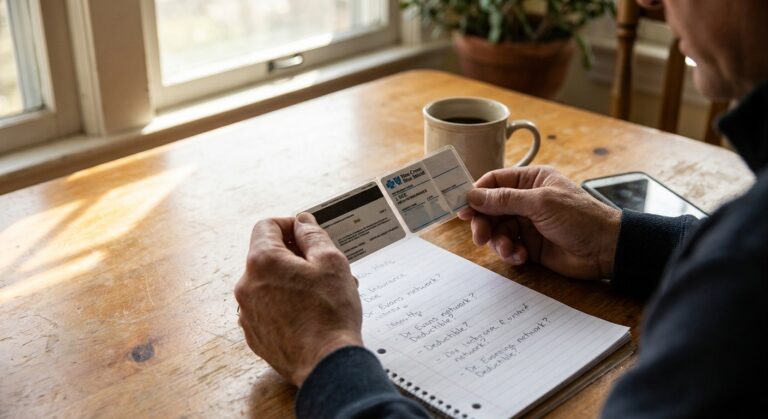
If you are calling for someone else, have their insurance card nearby with the member ID and their date of birth. Some details may need your loved one’s permission, because privacy rules protect their health information, and that is normal. The intake team can tell you what they can look into right away and what will need your loved one’s consent.
Location matters too, because a program you cannot get to does not help. To reach TruHealing Baltimore, call 833-782-2241 or email pwilson@truhealingcenters.com. The main location is in Woodlawn, MD 21207, with a second location in Windsor Mill, and the team serves families from Woodlawn, Baltimore, Anne Arundel, Howard, and Carroll.
Questions Baltimore Families Ask Most
These short answers cover what family members most often want to know when they first reach out about someone who is struggling.
What are the signs that someone is struggling emotionally and needs help?
Watch for changes in sleep, appetite, energy, and mood, pulling away from people, and stronger reactions to normal stress, especially when those changes last for weeks. If your loved one talks about suicide or you fear for their safety, call or text 988 or call 911.
How do I talk to someone who is struggling without pushing them away?
Name the specific behavior you noticed instead of labeling or diagnosing them. Ask an open question, then listen without rushing to fix it. Expect to have more than one conversation.
What is the difference between outpatient therapy, IOP, and PHP?
Outpatient therapy is usually a weekly appointment. IOP offers more frequent, structured treatment while often leaving room to keep working. PHP is a more intensive day program for people who need more structure but can still live at home.
Can I call a treatment center even if my loved one hasn’t agreed to treatment?
Yes. You can call TruHealing Baltimore at 833-782-2241 to talk through warning signs, next steps, and how to start the conversation.
Does insurance help pay for mental health treatment in Maryland?
Often, yes. TruHealing Baltimore accepts Aetna, Blue Cross Blue Shield, Cigna, Optum, Beacon Health Options, Humana, and private pay, and can check specific benefits. When a plan covers mental health care, the Mental Health Parity and Addiction Equity Act generally keeps it from being harder to access than medical care.
What is TruHealing Baltimore’s contact information?
Call 833-782-2241 or email pwilson@truhealingcenters.com. The main location is in Woodlawn, MD 21207, with a second location in Windsor Mill.
What do I do if someone is struggling with both mental health and substance use?
Look for dual diagnosis treatment that addresses both in the same plan. TruHealing Baltimore offers dual diagnosis therapy alongside detox, residential, PHP, and IOP care.
Your First Call Doesn’t Have to Wait for Their Yes
The family members who help most are not the ones with perfect words. They are the ones who notice, say something kind and specific, and keep showing up. You have already done the first part by reading this far.
Call TruHealing Baltimore at 833-782-2241 to talk about what level of care may match what you are seeing and how to take the next step, even if your loved one isn’t ready to ask for help yet. The intake team can help you understand the options for personalized treatment, along with what your role can look like along the way.
Before you dial, write down three specific changes you have noticed and roughly when each one started. That short note will tell the intake team more in two minutes than a long description of how worried you feel, and it may help you walk away from the call knowing exactly what to do next.
Take the Next Step Together
Watching someone you care about struggle can feel overwhelming, but you don’t have to navigate this alone. If your loved one is facing emotional challenges tied to substance use or mental health, the team at TruHealing Baltimore understands what families in Woodlawn and Windsor Mill are going through. Reaching out today means your family can begin finding the right support and answers that fit your unique situation.
Individual outcomes vary and depend on many factors unique to each person. This article is for general information and is not medical advice. If you or someone you love is in crisis, call or text 988, or call 911 in an emergency.