

I remember hitting 90 days and thinking, “I made it.”
Not in a loud, celebratory way. More like a quiet exhale. Like maybe the hardest part was behind me.
And then, slowly, something started to shift.
Not in a way anyone else could see. Just small moments I didn’t talk about.
If you’ve been there, you know how quiet that drift can feel.
And if you’re there now—you haven’t lost everything.
It Didn’t Break All at Once—It Slipped in Silence
No one wakes up and decides to throw everything away.
It’s slower than that.
It looks like:
- Skipping a meeting and telling yourself it’s not a big deal
- Saying “I’m good” when you’re anything but
- Letting small habits slide because you’re tired
Nothing dramatic.
That’s what makes it dangerous.
Because it doesn’t feel like you’re losing anything—until you already have.
I Thought Staying Clean Meant I Was Doing It Right
I focused on the obvious goal.
Don’t relapse. Stay on track. Keep it together.
And for a while, I did.
But there’s something no one really explains clearly enough:
You can stay sober and still be slipping.
Because recovery isn’t just about what you’re doing—it’s about how honest you’re being while you do it.
And I wasn’t honest.
Not with other people. Not with myself.
The Things I Didn’t Say Became the Things That Took Me Out
Looking back, the warning signs weren’t loud.
They were quiet thoughts I kept to myself:
- “This feels harder than it should.”
- “I don’t feel as good as I thought I would.”
- “Part of me misses how things used to feel.”
I didn’t say any of that out loud.
I told myself it would pass.
But silence has a way of turning thoughts into patterns.
And patterns into actions.
That’s how the drift happens.
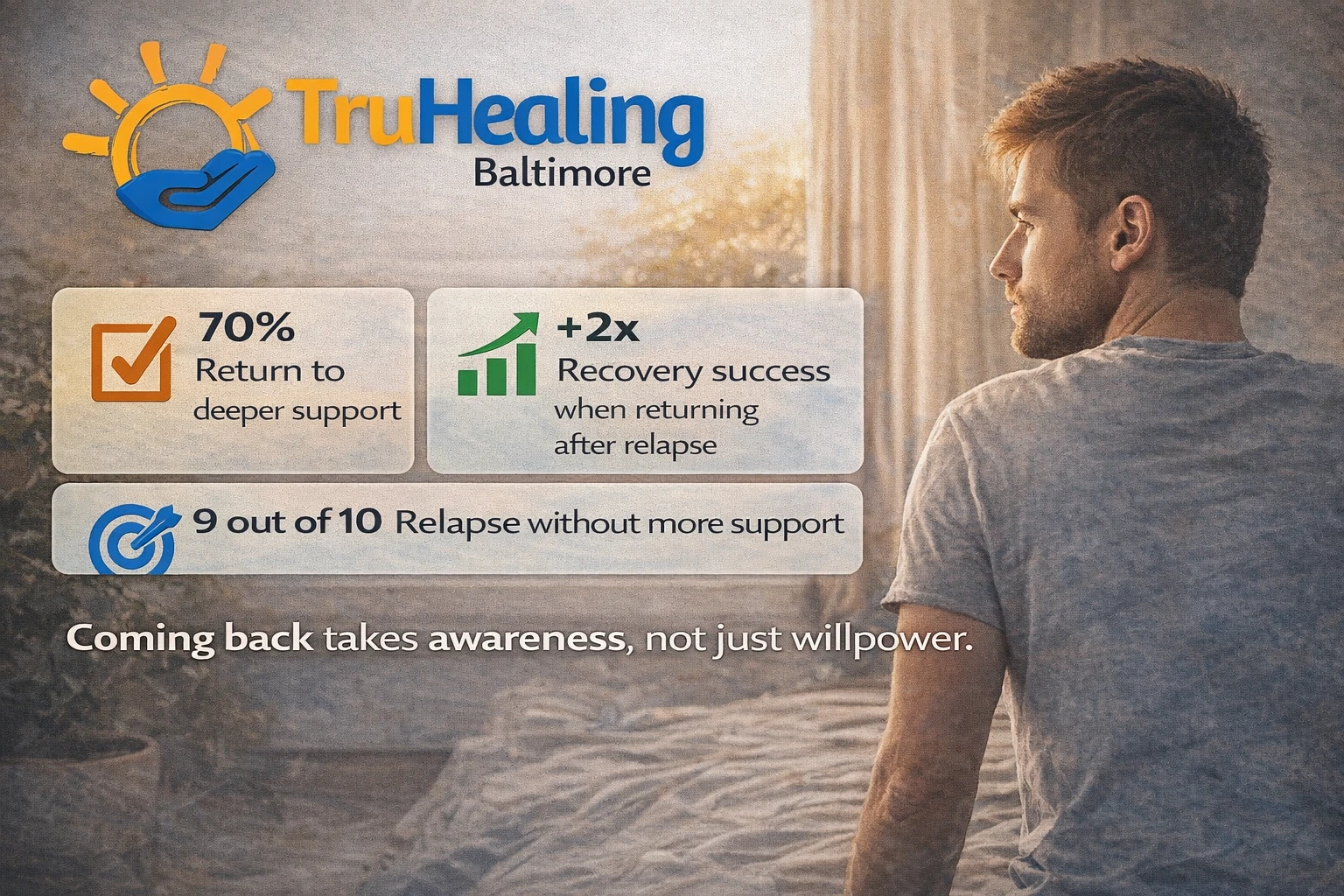
I Didn’t Need More Discipline—I Needed More Truth
After I slipped, I told myself the same thing a lot of people do:
“I just need to try harder.”
But that wasn’t the problem.
I wasn’t lacking effort.
I was avoiding honesty.
Honesty about:
- What I was actually feeling
- What wasn’t working
- The parts of me that were still struggling
Because honesty feels risky.
But silence is what actually takes you out.
Coming Back Feels Different Than Starting
This is something people don’t talk about enough.
The first time, there’s fear—but also momentum.
The second time?
There’s weight.
There’s that voice:
“You already had your chance.”
And that voice can keep you stuck longer than anything else.
But here’s what I learned:
Coming back isn’t starting over.
It’s coming back with more awareness than you had before.
What Changed the Second Time Around
The second time, I stopped trying to look okay.
I stopped performing recovery.
Instead, I said what was actually true:
- “I didn’t say what I needed to say.”
- “I thought I had it handled, but I didn’t.”
- “I feel off, and I don’t know why.”
And something shifted.
Not because everything got easier.
But because I wasn’t hiding anymore.
That honesty created space for real support—not surface-level progress.
Recovery After You Leave Is Where Honesty Gets Tested
Inside a structured environment, honesty feels easier.
There’s accountability. Routine. Support built into your day.
But after you leave?
That’s where it gets real.
Because now:
- No one’s checking if you’re okay every day
- You decide what you share and what you keep in
- You control how honest you’re willing to be
And that freedom can either support your recovery—or slowly pull you away from it.
The Difference Between Staying Sober and Staying Connected
This is the line that matters most.
Staying sober is one thing.
Staying connected is another.
Connection looks like:
- Saying something before it builds up
- Reaching out instead of isolating
- Letting people see where you actually are
Without that, things start to drift—even if everything looks fine on the outside.
Some people navigating that space in Baltimore County, Maryland talk about how easy it is to look stable while feeling disconnected underneath.
And that gap—that’s where things start to unravel.
You Don’t Lose Your Progress—Even If You Slip
This is important.
Because after a relapse, it can feel like everything is gone.
Like those 90 days didn’t matter.
But they did.
You learned things:
- What helps you stay grounded
- Where things started to shift
- What silence can turn into if it goes unchecked
That awareness doesn’t disappear.
It comes with you.
And it gives you a different starting point this time.
There’s a Version of You That Stays Honest—Even When It’s Uncomfortable
It’s not about being perfect.
It’s about being real.
Real looks like:
- Admitting when you’re struggling
- Saying things before they spiral
- Letting someone in before you shut down
It’s uncomfortable.
But it’s also what keeps you steady.
Because honesty isn’t just something you practice—it’s something that protects you.
If You’re Thinking About Coming Back, That Thought Matters
You might feel embarrassed.
You might feel like you should have it figured out by now.
You might be telling yourself:
“I can fix this on my own.”
But if you could, you probably already would have.
That thought about coming back?
That’s not weakness.
That’s awareness.
And it’s worth listening to.
Some people who return to deeper support in Anne Arundel County, Maryland say the second time feels less about proving something—and more about actually understanding themselves.
And that changes everything.
You’re Not the Only One Who’s Been Here
This part matters.
Because it’s easy to feel like you’re the exception.
Like everyone else figured it out and you didn’t.
That’s not true.
So many people:
- Hit milestones
- Feel stable for a while
- Then quietly start to struggle
Not because they didn’t care.
But because staying honest is harder than it sounds.
Support like round-the-clock care can help rebuild that connection when things start to feel unstable again.
And needing that doesn’t erase what you’ve already done.
FAQs for Alumni Navigating a Slip After Progress
Does relapsing mean treatment didn’t work?
No. It often means something deeper needed more attention or honesty. Treatment can still work—sometimes even better the second time.
Why did things feel fine and then suddenly fall apart?
Because the shift is gradual. Disconnection builds quietly before it becomes visible.
Is it normal to feel ashamed about coming back?
Yes. That feeling is very common—but it doesn’t mean you don’t belong. You’re allowed to return without proving anything.
What should I do differently this time?
Focus on honesty over performance. Say what’s real—even when it’s uncomfortable or messy.
Do I have to start completely over?
No. You’re bringing experience and awareness with you. That matters more than you think.
What if I’m afraid I’ll slip again?
That fear is real. But staying connected reduces that risk more than trying to manage everything alone.
How do I stay honest after leaving again?
Build small habits of connection—check-ins, conversations, accountability. Honesty grows when it’s practiced consistently, not just when things feel urgent.
You didn’t ruin anything.
You didn’t throw it all away.
You reached a point where honesty slipped—and now you have the chance to rebuild it.
And that can change everything.
If you’re ready to take that step back toward support, you don’t have to do it alone.
Call (833) 782-2241 or visit our residential treatment programs in Baltimore, Maryland to learn more about.