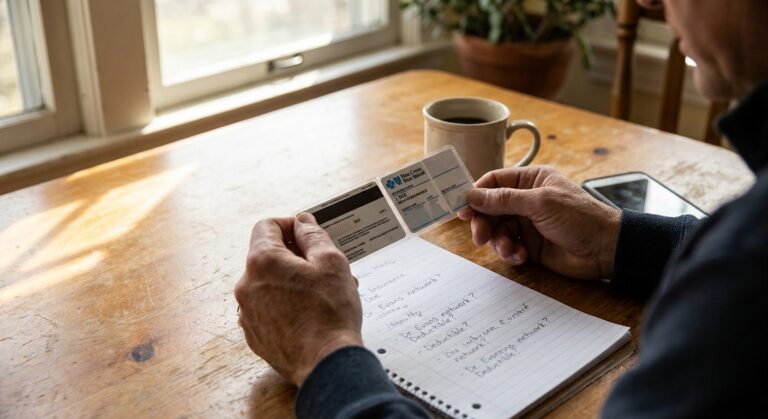

I didn’t wake up one morning planning to go back to treatment.
Actually, if you had asked me then, I probably would’ve told you I was doing “fine.” That word carried a lot of weight for me after treatment. Fine meant I was functioning. Fine meant I hadn’t completely blown up my life again. Fine meant nobody was asking questions I didn’t want to answer.
But underneath all of that, I was unraveling quietly.
That’s the thing nobody really talks about after relapse. Sometimes it doesn’t happen like a dramatic collapse. Sometimes it feels more like drifting farther and farther from yourself while still going through the motions of everyday life.
A few months after leaving treatment, I found myself searching for support again—something structured enough to help me stabilize without completely stepping away from my life. That search eventually led me to TruHealing Maryland’s partial hospitalization program, and honestly, going back may have saved me from losing far more than I already had.
The Relapse Started Long Before I Picked Anything Up Again
If I’m being real, the relapse didn’t begin with substances.
It started with disconnection.
I stopped reaching out to people who understood me. I ignored texts from sober friends because I didn’t feel like pretending I was okay. I started canceling therapy appointments with excuses that sounded reasonable at the time.
“I’m busy.”
“I’m tired.”
“I’ll reschedule next week.”
Then came the emotional isolation. That part hit first.
I wasn’t laughing the same. I wasn’t sleeping well. Everything felt heavier than it should have. Even simple things like grocery shopping or answering emails felt exhausting in a way I couldn’t explain.
And because I’d already been through treatment once, I convinced myself I should’ve been able to handle it alone.
That mindset almost buried me.
I Kept Comparing My Struggle to Other People’s Rock Bottoms
One of the reasons I waited so long to ask for help again was because my life didn’t look “bad enough.”
I still had a place to live.
I still had people who loved me.
I was still functioning enough to hide what was happening.
That made it easy to minimize everything.
I told myself I wasn’t struggling that badly. I compared my situation to people who had lost jobs, homes, marriages, custody of their kids. Because my pain didn’t look catastrophic from the outside, I convinced myself it didn’t count yet.
But pain doesn’t have to become a public disaster before it deserves attention.
That realization took me a long time to understand.
Sometimes recovery isn’t about surviving an explosion. Sometimes it’s about noticing the smoke early enough to leave the room before the fire spreads.
The Hardest Part Was Admitting I Needed Help Again
There’s a specific kind of shame that comes with relapse after you’ve already had time sober.
Especially after 90 days.
People celebrate you differently at that point. They trust you more. You start trusting yourself again too. Then relapse happens, and suddenly it feels like you ruined every bit of progress you made.
That’s how it felt for me anyway.
I remember staring at my phone for almost an hour before calling for help because I genuinely believed people would think I failed.
Part of me thought I’d be judged for needing more support.
Another part worried I’d hear: “You already know what to do.”
But recovery isn’t a school test you pass once forever.
Life changes. Mental health changes. Stress changes. Grief changes. Burnout changes. And sometimes old coping mechanisms come back faster than expected.
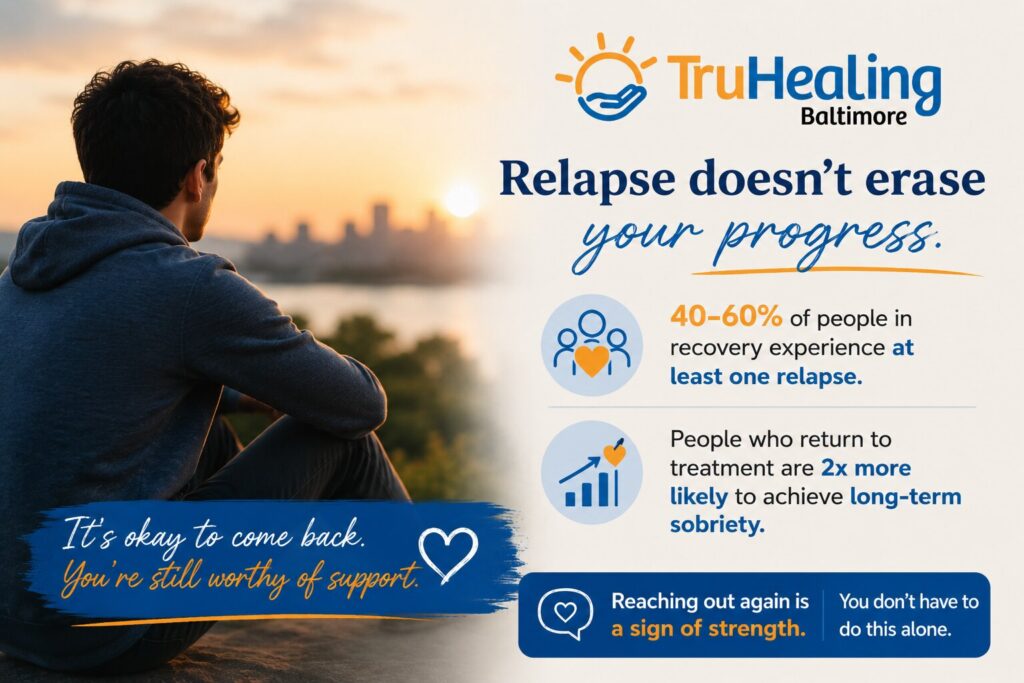
Needing help again doesn’t erase the work you already did.
It means you’re still fighting for yourself.
I Needed More Than Weekly Therapy—but Less Than Residential Care
One of the biggest reasons I finally agreed to structured treatment again was because I learned there were options between “nothing” and full inpatient care.
That mattered to me.
I didn’t feel stable enough for occasional therapy sessions anymore, but I also wasn’t in a place where I needed 24/7 residential support. I needed consistency. Accountability. Structure during the hours when my mind spiraled most.
That’s where daytime treatment became important.
Programs that offer structured support during the day while allowing you to return home at night can create breathing room for people who are slipping but still trying to hold onto parts of everyday life.
For many people searching for a day mental health program Baltimore residents can attend without completely disappearing from work, family, or responsibilities, this level of care can feel far more approachable than they expect.
And honestly? I needed approachable.
Because at that point, even asking for help already felt terrifying.
Going Back Felt Humbling in the Best and Worst Ways
The first few days back were emotionally rough.
I walked in carrying so much embarrassment that I could barely make eye contact with people. I felt like the person who messed up after everyone believed in them.
But something unexpected happened almost immediately.
Nobody treated me like I was broken beyond repair.
Not the staff. Not the therapists. Not even the other clients.
In fact, a surprising number of people there had similar stories. Some had relapsed after six months. Some after years. Some never fully stopped struggling after their first treatment experience.
That honesty cracked something open in me.
Because relapse isolates you by convincing you you’re uniquely hopeless.
But sitting in rooms with people who understood exactly how shame works made me realize something important: recovery isn’t linear for most people.
It’s messy. Human. Complicated.
And sometimes coming back is part of the process—not proof you failed it.
I Started Noticing the Real Warning Signs
The second time around, I paid attention differently.
The first time I went to treatment, I mostly focused on stopping destructive behaviors. The second time, I started paying attention to what happened emotionally before those behaviors returned.
That changed everything.
I realized my warning signs weren’t dramatic.
They were subtle things like:
- Pulling away from supportive people
- Sleeping too much or barely sleeping at all
- Feeling emotionally numb
- Getting irritated by people trying to help
- Convincing myself I didn’t need connection
- Romanticizing old coping habits
- Thinking, “Nobody would notice if I disappeared for a while.”
Those thoughts mattered.
Not because they made me weak, but because they showed me I was struggling before things became dangerous.
A lot of alumni miss those quieter warning signs because they expect relapse to announce itself loudly. Sometimes it whispers first.
The Structure Helped My Brain Slow Down
One thing I didn’t expect was how much relief came from routine.
When your mental health and substance use start colliding again, your thoughts become exhausting. Every day feels emotionally chaotic. You spend so much energy trying to hold yourself together that even basic decisions feel overwhelming.
Structured daytime care gave me less room to spiral.
I knew where I needed to be each morning. I knew people would notice if I withdrew. I knew I’d spend hours talking honestly instead of sitting alone inside my own head.
And at night, I could still return home.
That balance helped me rebuild trust in myself gradually instead of feeling like my entire life had to stop all over again.
Recovery the Second Time Felt More Honest
The biggest difference the second time wasn’t motivation.
It was honesty.
The first time I got sober, I think part of me still wanted to impress people. I wanted to recover “correctly.” I wanted to become someone inspiring as fast as possible.
The second time, I was too tired to perform.
I talked openly about loneliness. About burnout. About how exhausting it was pretending I was okay long after I stopped feeling okay.
And strangely enough, that honesty made recovery feel more real than it ever had before.
I stopped treating recovery like a finish line and started treating it like maintenance for a life I actually wanted to stay present for.
That shift mattered.
You Don’t Have to Lose Everything Before You Reach Back Out
I wish more alumni understood this.
You are allowed to ask for help before everything falls apart.
You are allowed to notice the warning signs early.
You are allowed to return to treatment because you’re struggling emotionally—not just because your life became a crisis.
Sometimes people wait because they think they need a “good enough reason” to go back.
But if you’re exhausted, isolating, slipping into old patterns, or quietly scared about where things are heading, that’s already enough reason to deserve support.
You don’t have to prove your pain first.
FAQ
Is it normal to return to treatment after a relapse?
Yes. Many people return to treatment more than once during recovery. Relapse can happen for a lot of reasons, including stress, untreated mental health symptoms, burnout, isolation, or major life changes. Returning for support doesn’t erase previous progress.
What does a partial hospitalization program look like day to day?
A partial hospitalization program typically includes structured therapy, group sessions, mental health support, coping skill development, and medical or psychiatric care during daytime hours. Many people return home in the evenings, which can help them stay connected to daily life while receiving intensive support.
How do I know if I need more support again?
Some common signs include isolation, emotional numbness, worsening anxiety or depression, returning to unhealthy coping patterns, missing therapy or meetings, increased cravings, or feeling emotionally overwhelmed most days. You don’t need to wait for a major crisis to seek help.
Can I attend treatment while still living at home?
Yes. Many structured daytime programs allow people to receive intensive care while continuing to live at home. This can be helpful for individuals who need significant support but don’t require overnight residential treatment.
Is relapse considered failure?
No. Relapse does not mean you failed. For many people, recovery includes setbacks, adjustments, and periods of re-engagement with support. What matters most is recognizing when help is needed and taking steps toward stability again.
What makes structured daytime treatment different from weekly therapy?
Weekly therapy can be helpful for ongoing support, but some people need more consistency and accountability during difficult periods. Structured daytime care offers multiple hours of support several days a week, helping people stabilize emotionally while building healthier routines and coping skills.
If you’ve started noticing the warning signs in yourself lately, you don’t have to wait until things completely collapse to ask for support. TruHealing Maryland offers compassionate treatment options in Baltimore for people who need structure, stability, and a place to reconnect with themselves again.
Call (833) 782-2241 or visit TruHealing Maryland’s partial hospitalization program services in Baltimore, Maryland to learn more about our treatment programs and supportive care options.